Get Industrial Roof Replacement
Industrial roof replacement services connect property owners with local contractors who handle projects like repairing or replacing damaged, aging, or leaking commercial roofs.
If your commercial or industrial property is experiencing issues with its roof, exploring replacement options is a practical step toward maintaining safety and operational efficiency. Property owners in the area often consider roof replacement to address aging materials, weather-related wear, or structural concerns that could impact the building’s integrity. By planning ahead and comparing local contractors, you can find the right solutions tailored to your property's specific needs, ensuring a durable and reliable roof for years to come.
Finding the right service providers for industrial roof replacement involves evaluating local contractors who specialize in large-scale roofing projects. Many property owners choose to explore their options carefully, considering the experience and reputation of nearby professionals. This approach helps ensure that the project is handled efficiently and effectively, giving peace of mind that the work will meet the requirements of the property and its use. Keep reading to learn more about how local experts can assist with your roof replacement needs.
- Commercial warehouses - when the roof shows signs of leaks or structural damage affecting operations.
- Manufacturing facilities - if the existing roof has reached the end of its lifespan or is experiencing frequent repairs.
- Industrial storage units - during renovations or upgrades to improve durability and energy efficiency.
- Distribution centers - when rooftop systems are compromised, causing potential disruptions to logistics.
- Processing plants - if the roof no longer provides adequate insulation or protection from the elements.
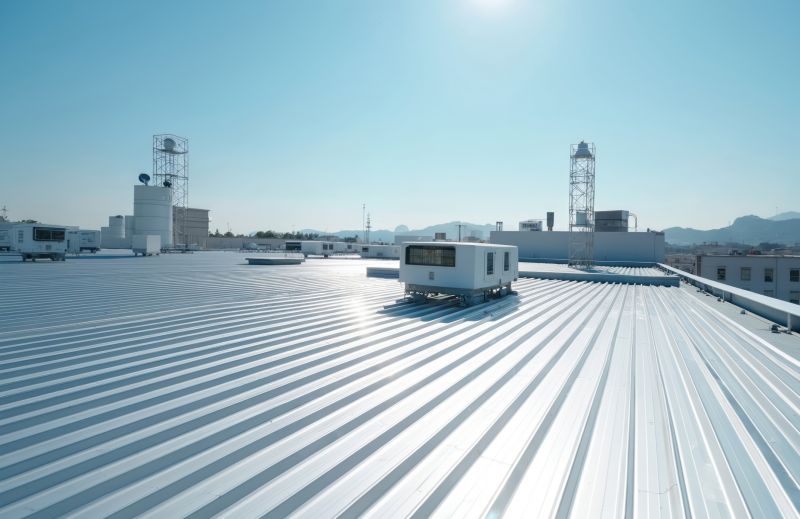
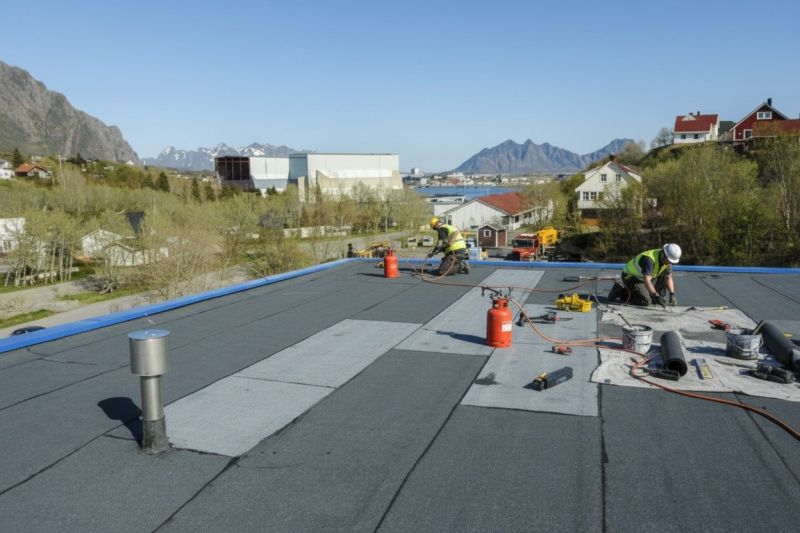
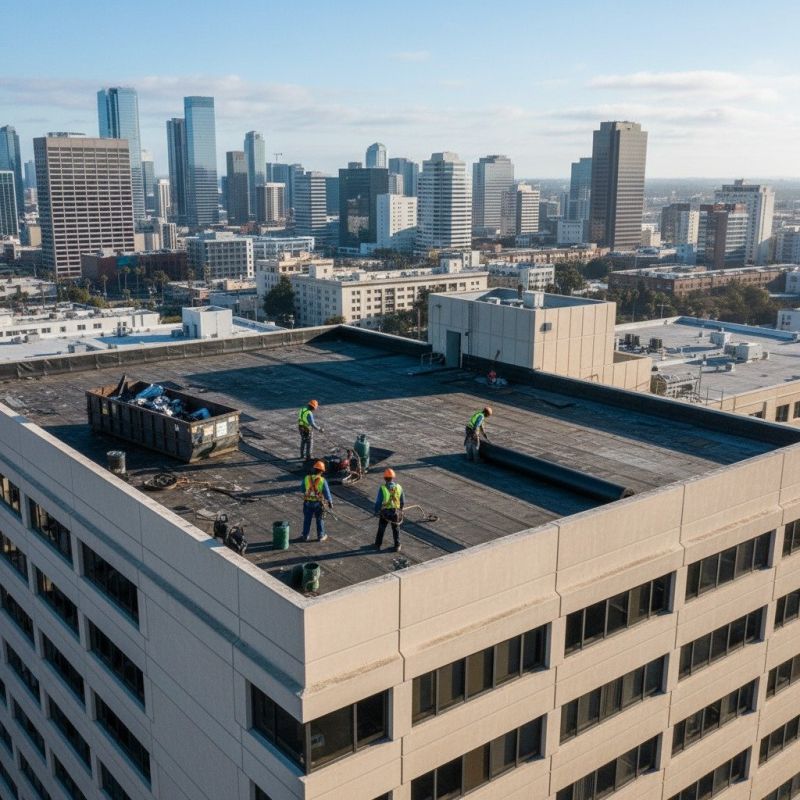
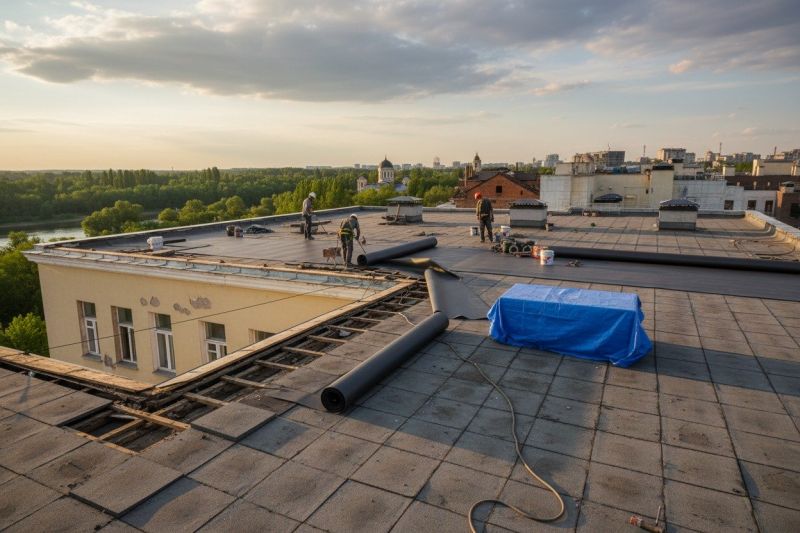
Industrial roof replacement services involve removing an existing roof and installing a new, durable roofing system tailored to the specific needs of commercial or industrial properties. This process typically includes thorough inspection, preparation of the existing structure, and the careful installation of materials designed to withstand heavy use and harsh conditions. Skilled contractors ensure that the new roof is properly sealed and secured, helping to protect the building’s interior from weather elements, leaks, and structural damage. These services are essential for maintaining the safety, functionality, and longevity of large-scale facilities.
Many problems can signal the need for an industrial roof replacement. Common issues include persistent leaks, frequent repairs, significant wear and tear, or visible damage such as cracks, holes, or corrosion. Over time, exposure to the elements can weaken roofing materials, leading to reduced insulation, increased energy costs, and potential interior water damage. When repairs become too frequent or costly, replacing the entire roof often becomes the most practical and effective solution to restore the building’s integrity and prevent further issues.
Industrial roof replacement services are typically used on a variety of property types, including warehouses, manufacturing plants, distribution centers, and large commercial facilities. These buildings often have flat or low-slope roofs that require specialized materials and installation techniques. Property owners and managers turn to local contractors for expert guidance on selecting the right roofing system-such as metal, EPDM, TPO, or built-up roofing-that best suits their building’s structure, operational needs, and budget. Proper replacement ensures that the property remains protected and operational for years to come.
Recognizing when a roof needs replacement can save property owners from costly repairs and potential downtime. Signs that indicate a replacement might be necessary include extensive damage from storms, persistent leaks despite repairs, or aging roofing materials that have reached the end of their lifespan. Property owners should consider consulting with local service providers to evaluate the condition of their roofs and explore options for replacement. Professional contractors can assess the current state of the roof, recommend suitable materials, and carry out the installation efficiently, helping to ensure the building’s safety and performance.
The overview below groups typical Industrial Roof Replacement projects into broad ranges so you can see how smaller, mid-sized, and larger jobs often compare in your area.
In many markets, a large share of routine jobs stays in the lower and middle ranges, while only a smaller percentage of projects moves into the highest bands when the work is more complex or site conditions are harder than average.
Smaller Repairs - typical costs range from $250 to $600 for many routine roof patching or small repair jobs. Local contractors often handle these projects efficiently within this range, though prices can vary based on materials and access.
Medium-Size Projects - replacing sections of roofing or addressing moderate damage usually costs between $1,000 and $3,000. Many projects fall into this mid-range, with fewer reaching into higher tiers for more extensive work.
Full Roof Replacement - complete roof replacements for standard industrial buildings often range from $5,000 to $15,000. Larger or more complex projects can exceed this range, depending on roof size and materials used.
Large or Complex Installations - extensive or intricate roof overhauls can cost $20,000 or more. These projects are less common and typically involve specialized materials or structural modifications handled by local service providers.
Actual totals will depend on details like access to the work area, the scope of the project, and the materials selected, so use these as general starting points rather than exact figures.
Commercial roofing repairs - local contractors skilled in repairing and replacing large roofing systems for commercial buildings are experienced with similar planning and materials as industrial roof replacements.
Warehouse roof sealing - this project involves sealing and waterproofing large roof surfaces, requiring expertise in roofing materials and safety protocols comparable to industrial roof work.
Factory roof inspections - inspecting industrial roofs for damage or wear involves similar assessment skills, planning, and use of specialized tools as in roof replacement projects.
Metal roofing installation - installing metal roofs on various structures shares techniques, tools, and planning considerations with industrial roof replacement services.
Building facade waterproofing - applying waterproofing to building exteriors demands knowledge of roofing and sealing methods similar to those used in industrial roof projects.
Industrial siding installation - installing durable siding on industrial buildings involves planning and material handling skills closely related to large-scale roofing projects.
When evaluating potential service providers for industrial roof replacement, it’s important to consider their experience with similar projects. Homeowners should look for local contractors who have a track record of successfully completing projects with comparable scope and complexity. An experienced professional will be familiar with the specific challenges associated with industrial roofing and can offer insights into effective solutions based on past work. This familiarity often translates into a smoother process and a more reliable outcome, giving homeowners confidence that the project will be handled competently.
Clear, written expectations are essential when comparing local contractors. Homeowners should seek detailed proposals that outline the scope of work, materials to be used, and any other relevant project specifics. Having this information documented helps prevent misunderstandings and ensures that both parties are aligned on what will be delivered. Good communication from the outset also includes responsiveness to questions and willingness to discuss project details, which can be a strong indicator of a professional contractor committed to transparency and customer satisfaction.
Reputable references and a history of positive interactions are valuable indicators of a service provider’s reliability. Homeowners are encouraged to ask for references from previous clients who had similar projects completed. Contacting these references can provide insights into the contractor’s work ethic, punctuality, and overall quality of service. Additionally, good communication skills-such as timely responses and clarity in explanations-are key qualities that help ensure a smooth project experience. The site serves as a resource to connect homeowners with local service providers who meet these criteria, making it easier to compare options and find qualified professionals for industrial roof replacement.
Property owners use Industrial Roof Replacement services for practical projects around their homes and businesses. This guide focuses on everyday jobs and straightforward project options.
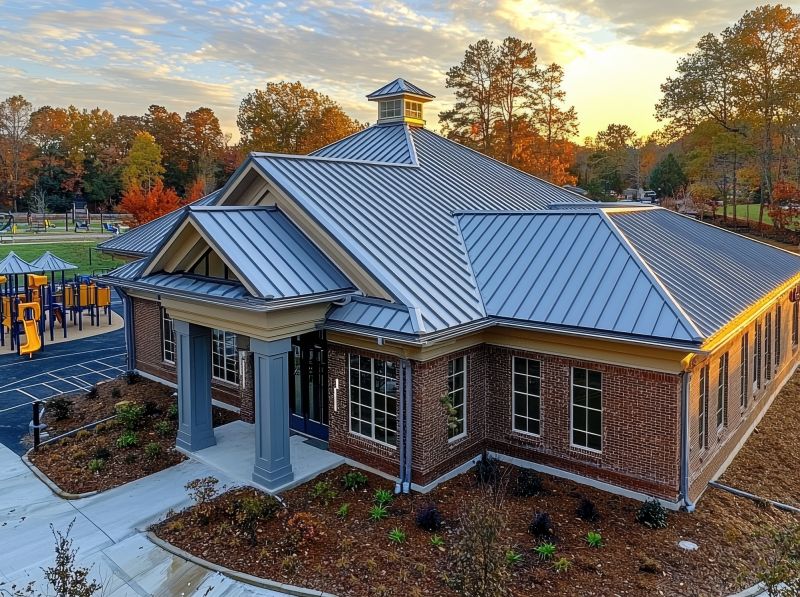
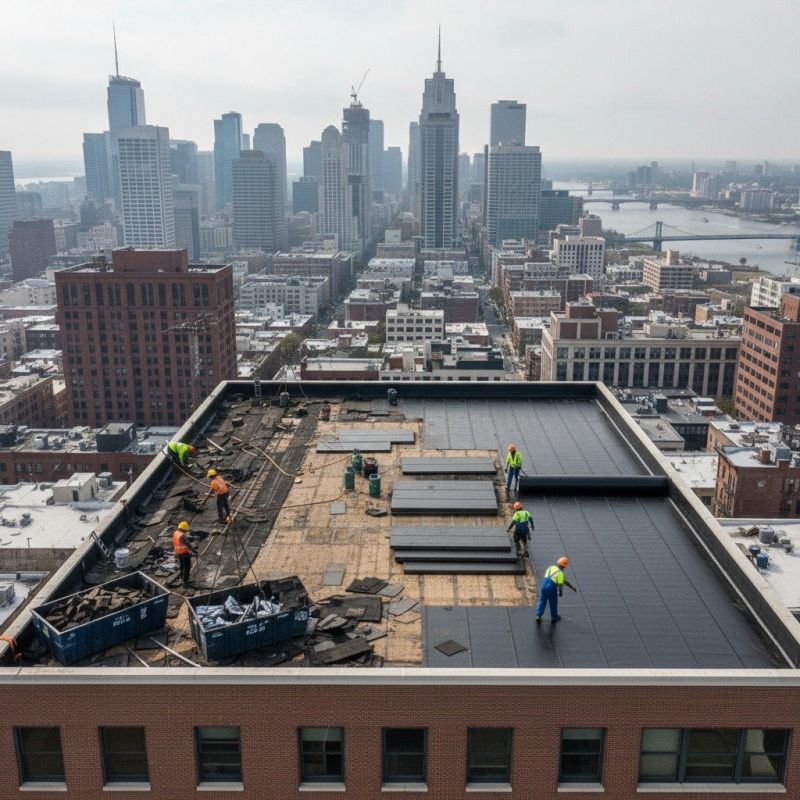
Industrial roof replacement is often needed when property owners notice leaks, persistent water damage, or signs of aging on their existing roofing systems. These situations can disrupt daily operations, cause safety concerns, or lead to increased maintenance costs. Local contractors experienced in industrial roofing can assess the condition of a roof, identify underlying issues, and recommend suitable replacement options to ensure the building remains functional and protected.
Property owners may also seek industrial roof replacement services due to structural wear from harsh weather conditions or the natural aging process of roofing materials. Upgrading an outdated roof can improve energy efficiency and prevent costly repairs down the line. Local service providers specializing in this work are equipped to handle projects of various sizes, providing solutions that help maintain the integrity and safety of industrial facilities.
What types of industrial roofs can be replaced? Local contractors can handle a variety of industrial roofing types, including metal, built-up, single-ply, and membrane roofs, depending on the building's needs.
How do I know if my industrial roof needs replacement? Signs such as persistent leaks, extensive damage, or aging materials may indicate the need for a roof replacement, which local service providers can assess.
What materials are commonly used for industrial roof replacements? Common materials include metal panels, EPDM membrane, PVC, and TPO, with local contractors able to recommend options suited to specific industrial facilities.
Can existing roofing systems be repaired instead of replaced? In some cases, repairs may be sufficient, but a professional assessment by local contractors can determine whether replacement is the best solution.
How do I find qualified contractors for industrial roof replacement? This site connects property owners with local service providers experienced in industrial roofing projects, enabling comparison and selection based on specific needs.
Industrial Roof Replacement Planning - Property owners can explore options for upgrading aging or damaged roofs to improve building safety and functionality.
Commercial Roof Maintenance - Business owners might consider replacing their roofs to prevent leaks and structural issues that could disrupt operations.
New Construction Roofing - Developers can coordinate with local contractors to install durable roofing systems on new industrial or warehouse facilities.
Roof Inspection and Assessment - Property managers may use this service to evaluate the condition of existing roofs and plan necessary replacements or repairs.
If you are thinking about Industrial Roof Replacement for a property, this guide is meant to help you understand the work, the typical project types, and how different options might fit your plans.
When you are ready, you can use the quote form on this page to share a few details about your project. From there, local pros can review the basics and respond with options that match what you have in mind.